THE VISITOR CENTRE & THE EXHIBITION
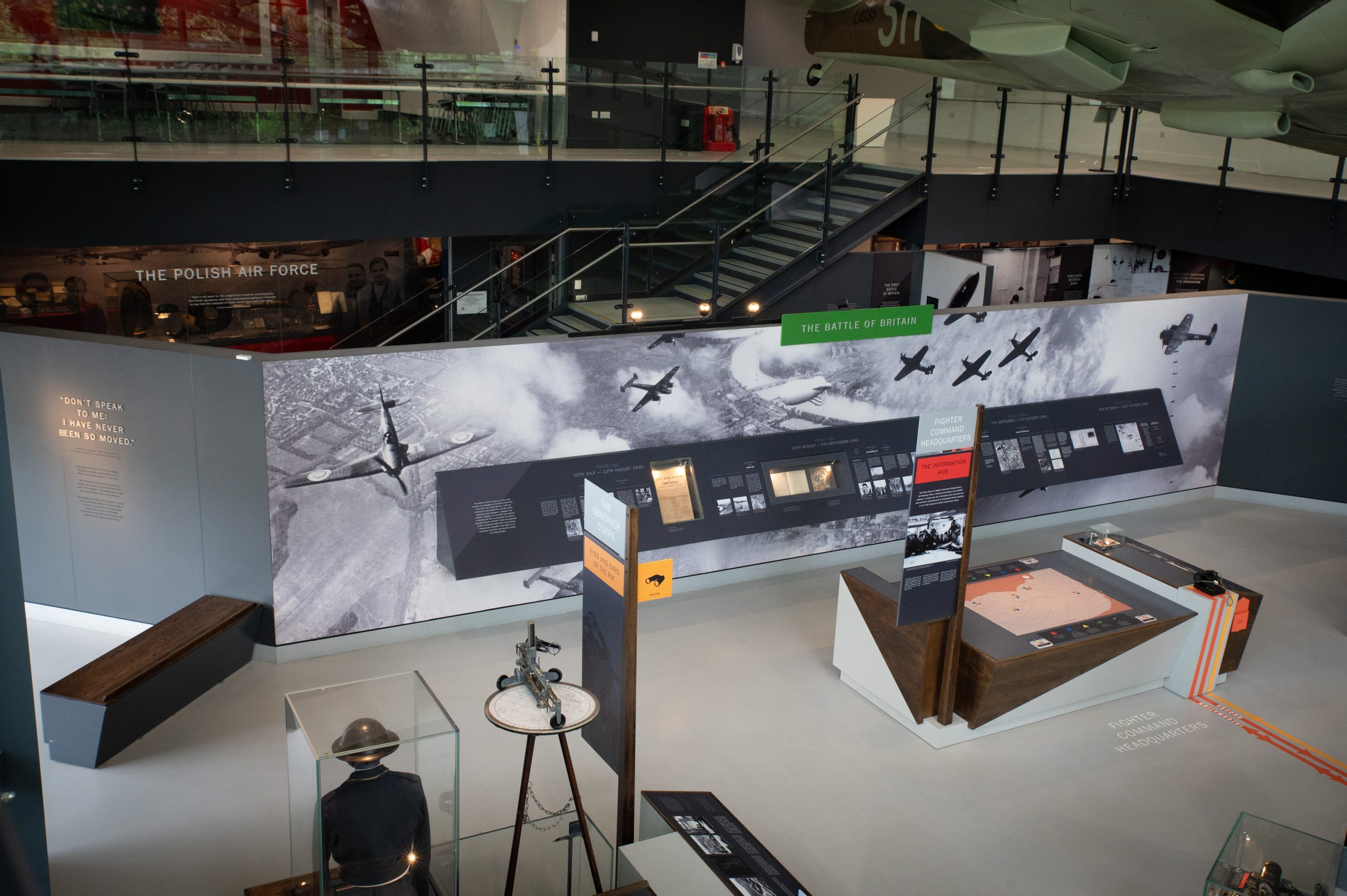
The Battle of Britain Bunker Exhibition and Visitor Centre is a 2,000 square metre complex on two levels. The building is an award-winning state-of-the-art design to resemble the themes of aircraft and flight. Within the complex is a café with outdoor terrace and gift shop, reception area and toilets.
The Visitor Centre is a visual, interactive representation of the Dowding System, with a permeant collection relating to each aspect of the System.
There are further permanent exhibitions including the Polish Air Force Exhibition which opened in 2020, to commemorate the 80th Anniversary of the Battle of Britain. Hillingdon Council worked closely with the Polish Air Force Memorial Committee to create a brand -new permanent display that highlights the vital role of the Polish Air Force during the Second World War, with many items in the exhibition being shown to the public for the first time. Alongside this the Dieppe Exhibition opened in 2022 to commemorate the 80th Anniversary of the Dieppe raid.
The Visitor centre also includes several temporary exhibitions including Dunkirk 80, D-Day 80 and Battle of Britain 85.
Collection Highlight
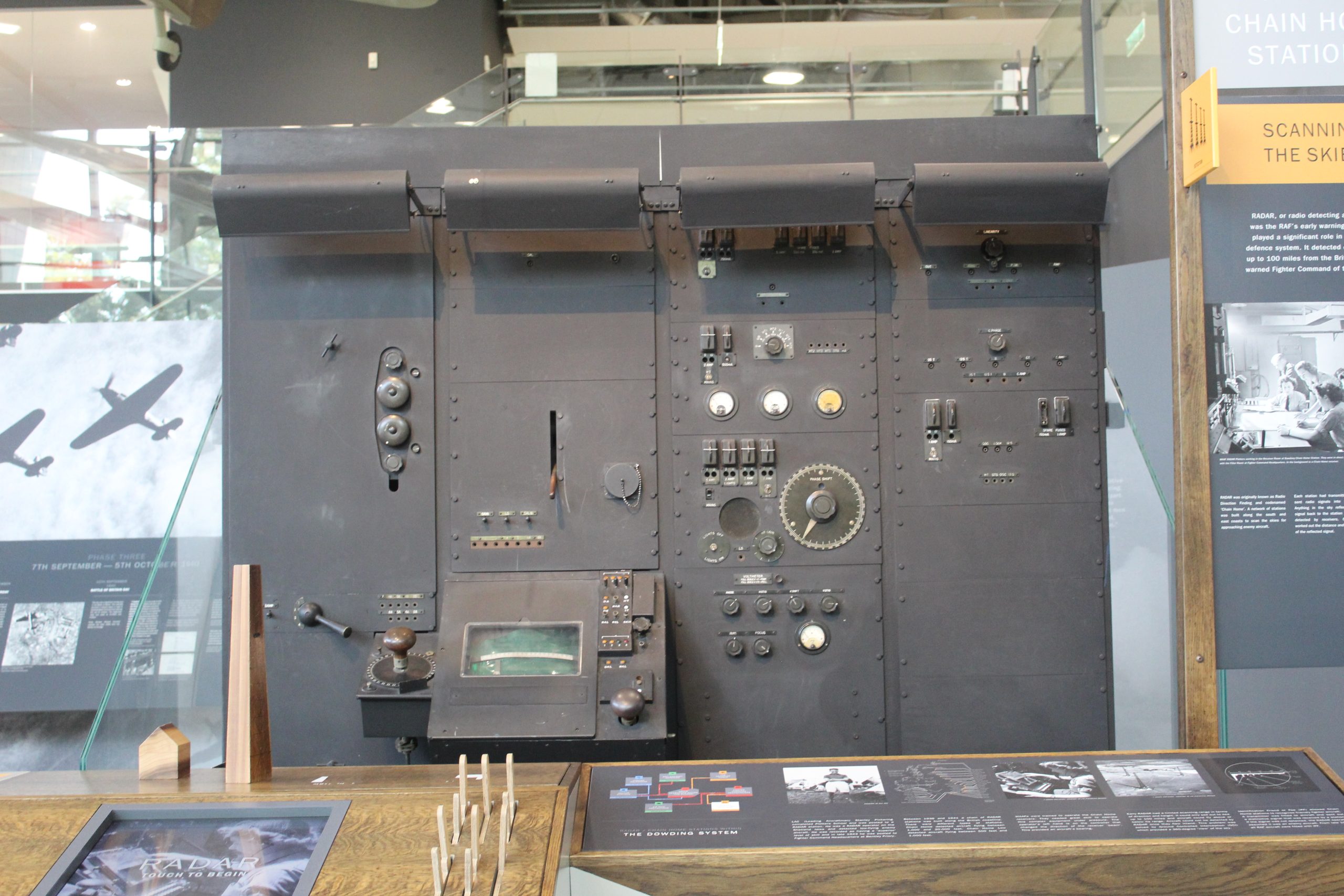
Chain Home Receiver
This Chain Home Receiver would have been connected to aerials that detected signals from enemy aircraft. The receiver would’ve processed these signals and displayed them on the screen. The operator would observer this and using dials could find out the range (distance) of the aircraft and its direction.
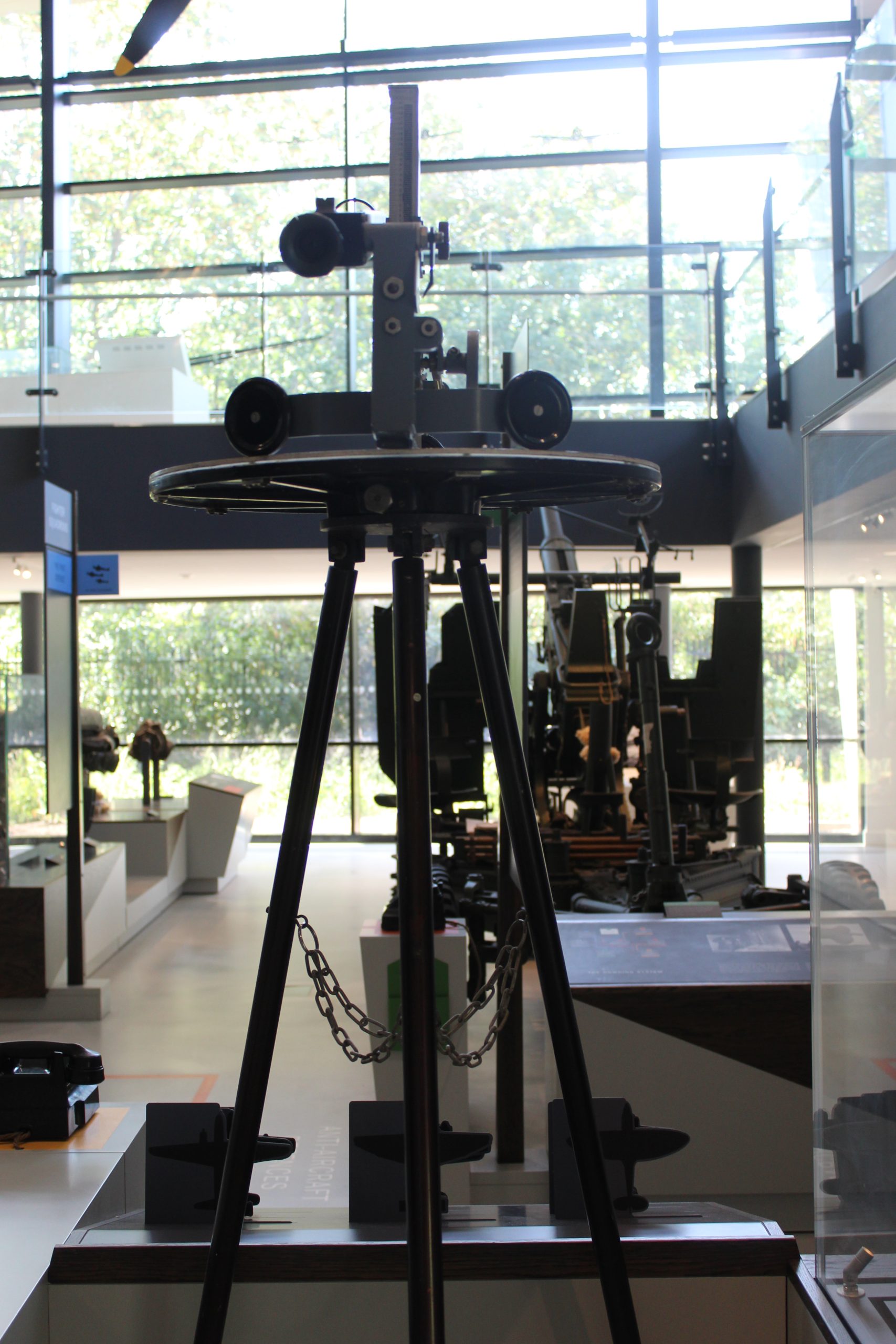
ROC Observer Post Instrument
Used by the Observer Corps, the post instrument estimated the height and location of an aircraft. The sight would’ve been used to view the aircraft, and the arm moved up or down to estimate the aircraft’s height and left or right to follow the aircraft. The pointer moved across the gridded map which would show the aircraft’s location and this grid location would be passed to the Observer Corps centre along with the height.
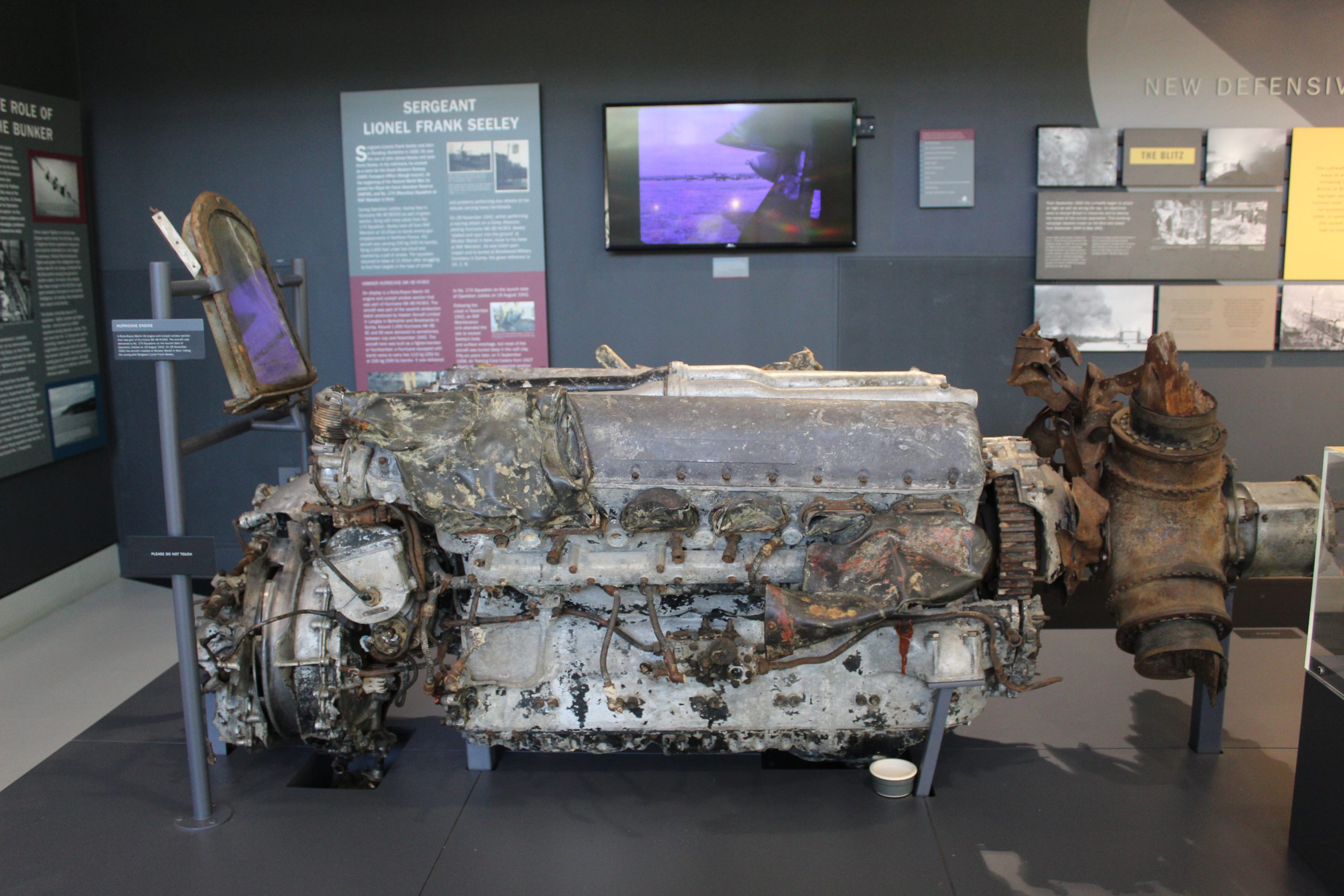
Dieppe Hurricane Engine
This is the Rolls-Royce Merlin XX engine and cockpit window section that was part of Hurricane Mk IIB HV363, that the young pilot Sergeant Lionel Frank Seeley was flying when it crashed on 29 November 1942. The aircraft was delivered to No.174 Squadron on the launch date of Operation Jubilee and fifty-six years later, on 5 September 1998 it was uncovered in a joint effort by Air Training Corp Cadets from Biggin Hill and archaeologists. Finally, it was restored and cleaned by our volunteers for display in our Dieppe exhibition.
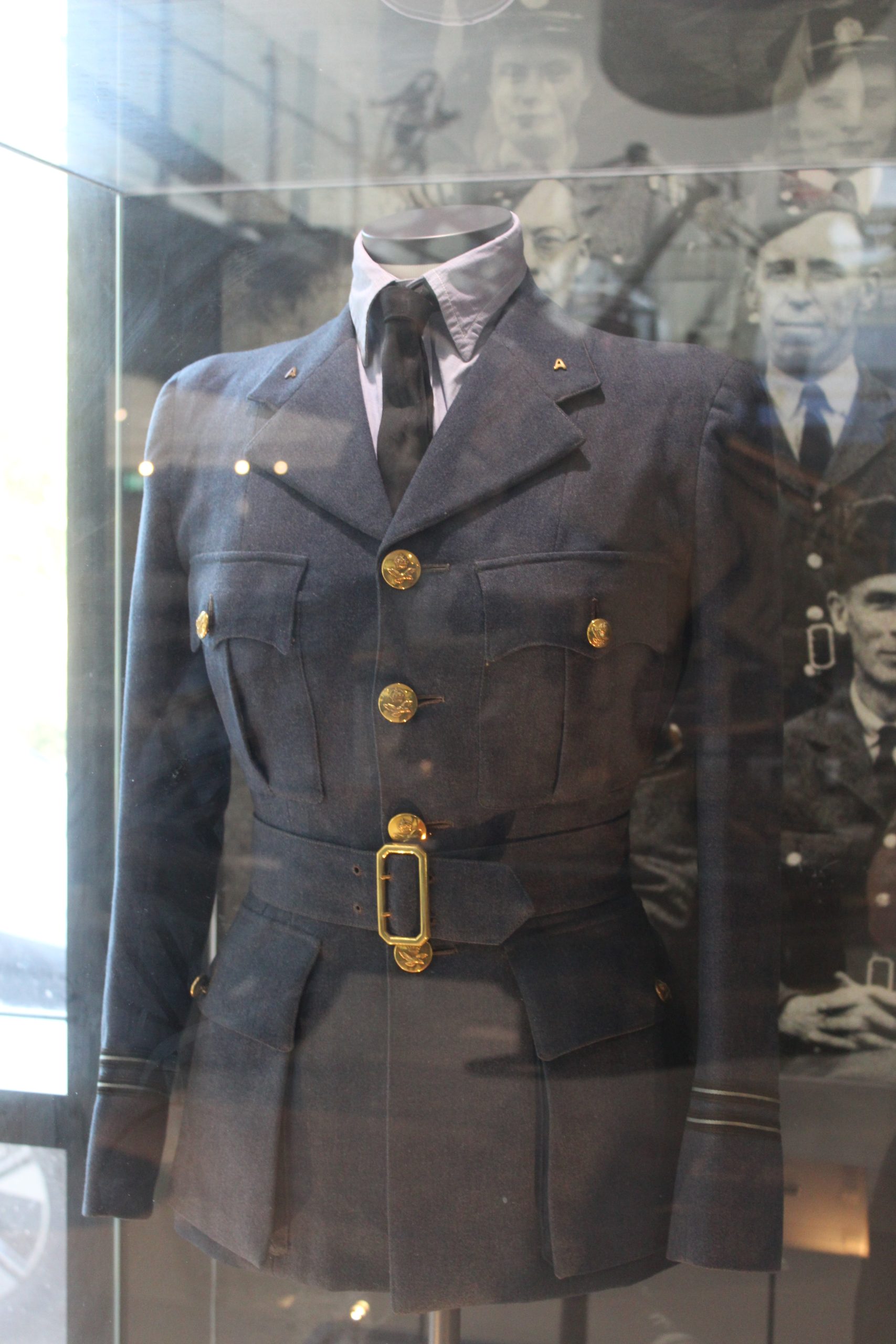
WAAF Flight Officer Uniform
For women who joined the WAAF most recruits entered with the rank of Aircraftwoman. Some WAAF would receive commissions, and this uniform belonged to a Flight Officer, as shown by the bands on the cuffs.
Leather Flying Jacket and Scarf
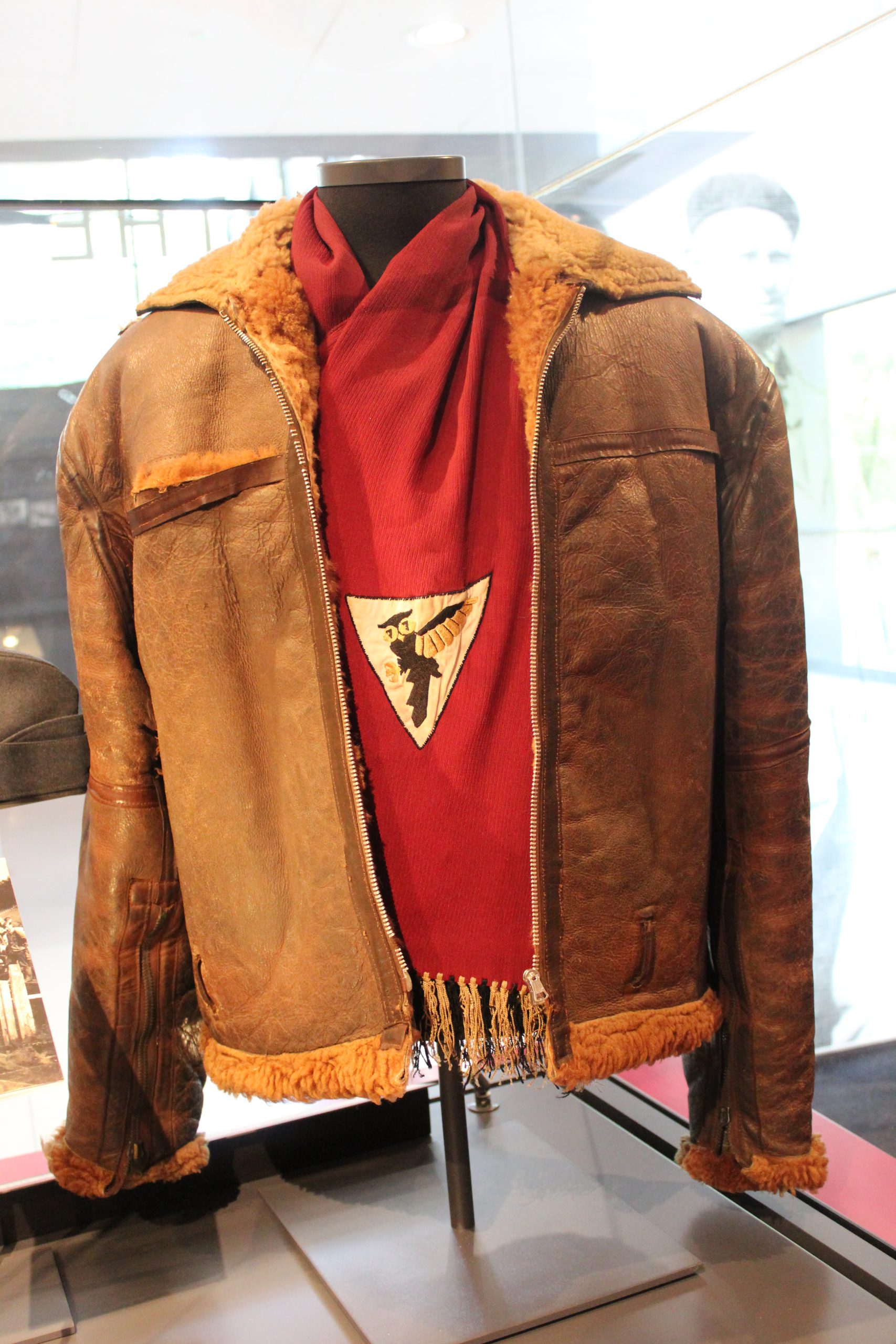
This flying jacket and scarf belonged to Fighter Ace Group Captain Aleksander Gabszewicz. It bears the insignia of No. 316 (Warszawa) Squadron. After serving with No. 303 Squadron in 1940, he joined the newly formed No. 316 Squadron in February 1941. In 1942, Gabszewicz was appointed the Polish Liaison Officer at the Bunker.